
Learning Days
When a topic needs to be discussed differently, not merely understood.
Many trainings explain models. Afterward, the team still speaks exactly as it did before.
Learning Days create shared language, real friction, and direct carryover into conversations, roles, and decisions.
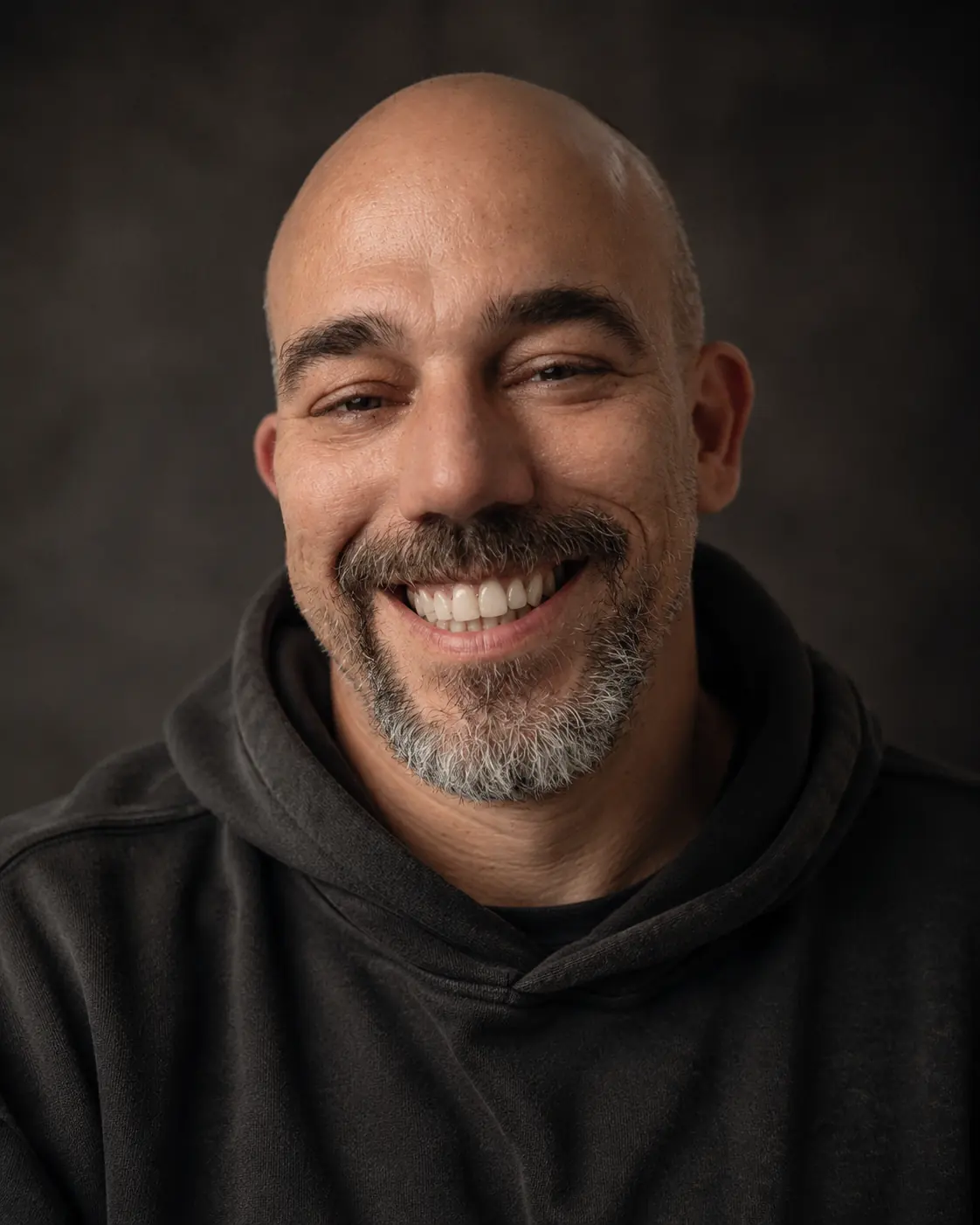
„One topic was enough to see that we usually talk around the place that actually matters.“
From pressure to the next move you can actually stand behind.
You get orientation first, then a working format, then a realistic decision: does this room fit your situation or not?
Friction without language
Everyone senses something. But the words stay too general, too polite, or too late.
01One topic, one day
Short input, clear models, case work, reflection, and real translation into daily work.
02Shared terms
The topic becomes speakable before it disappears back into routine.
03This room is right when the first explanation is no longer enough.
Conflict, communication, leadership, responsibility, pressure, difficult conversations.
Low-threshold does not mean shallow. It means enough entry to actually dock.
- shared language
- concrete conversational moves
- a first contact with BLACKSHEEP work
- 2 hours to 1 day
- open, team-based, or organizational
- at Das Schwarze Schaf, on site, or externally
Not every room is the right one.
- mandatory training with no relevance
- method fireworks
- consumption without participation
If this hits, do not send your whole life story. Send the point that is costing too much energy.
It does not need to be polished. Two to five honest sentences are enough: what is happening, what you have already tried, and where you keep getting stuck.